Buy laroulette.eu ?
We are moving the project
laroulette.eu .
Are you interested in purchasing the domain
laroulette.eu ?
domain@kv-gmbh.de · 0541-91531010
Buy laroulette.eu ?
What is the difference between equilibrium potential, resting potential, and membrane potential?
Equilibrium potential is the membrane potential at which the net flow of a particular ion across the membrane is zero. Resting potential is the membrane potential of a cell when it is at rest, typically around -70 millivolts in neurons. Membrane potential refers to the difference in electrical charge between the inside and outside of a cell, which is maintained by the selective permeability of the cell membrane to different ions. In summary, equilibrium potential is the potential at which there is no net flow of ions, resting potential is the potential of a cell at rest, and membrane potential is the overall potential across the cell membrane. **
What is potential energy or gravitational potential energy?
Potential energy, specifically gravitational potential energy, is the energy an object possesses due to its position in a gravitational field. It is the energy that an object has because of its height above the ground. The higher an object is lifted, the greater its gravitational potential energy. This energy can be converted into kinetic energy when the object is allowed to fall or move downward. **


Similar search terms for Potential
Top-Angebote
Products related to Potential:
-
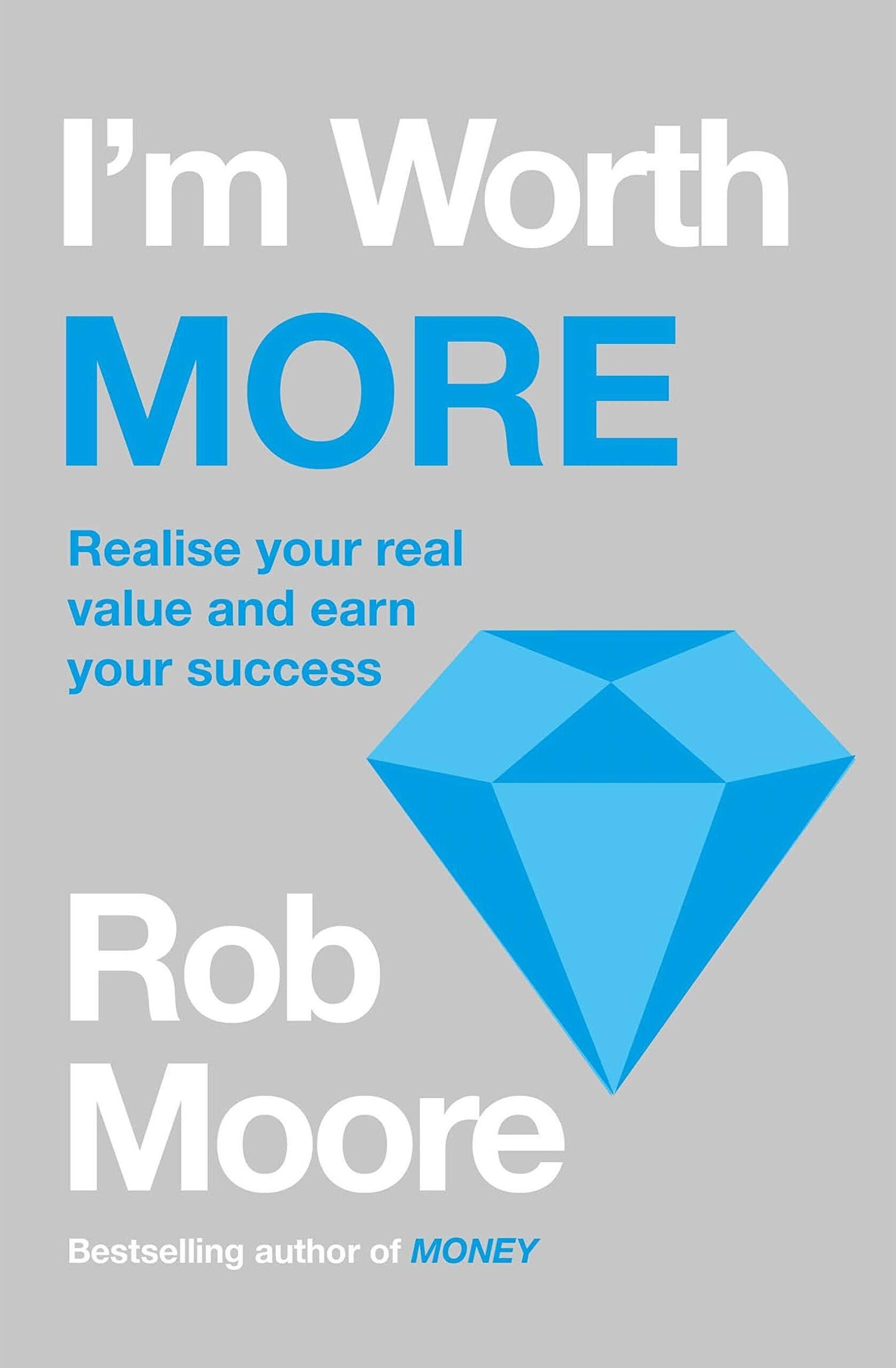
John Murray Im Worth More: Realize Your Value. Unleash Your Potential by Rob MooreIm Worth More: Realize Your Value. Unleash Your Potential by Rob Moore Anyone can look successful with the right watch on their wrist or car parked in the driveway - but what is real success and how much are you really worth? In this fascinating, liberating book bestselling author Rob Moore takes you back to basics and examines how to realize your real value - your self-esteem, your ambitions, your reputation and your income. No longer will you doubt yourself, make self-defeating comparisons or make assumptions about how others see you - instead you will maximize your opportunities and love yourself for who you really are. Rob will show you that no matter what you think you're worth, you're worth more.1,99 £*Shipping: 1,99 £Secure redirect to the provider
-
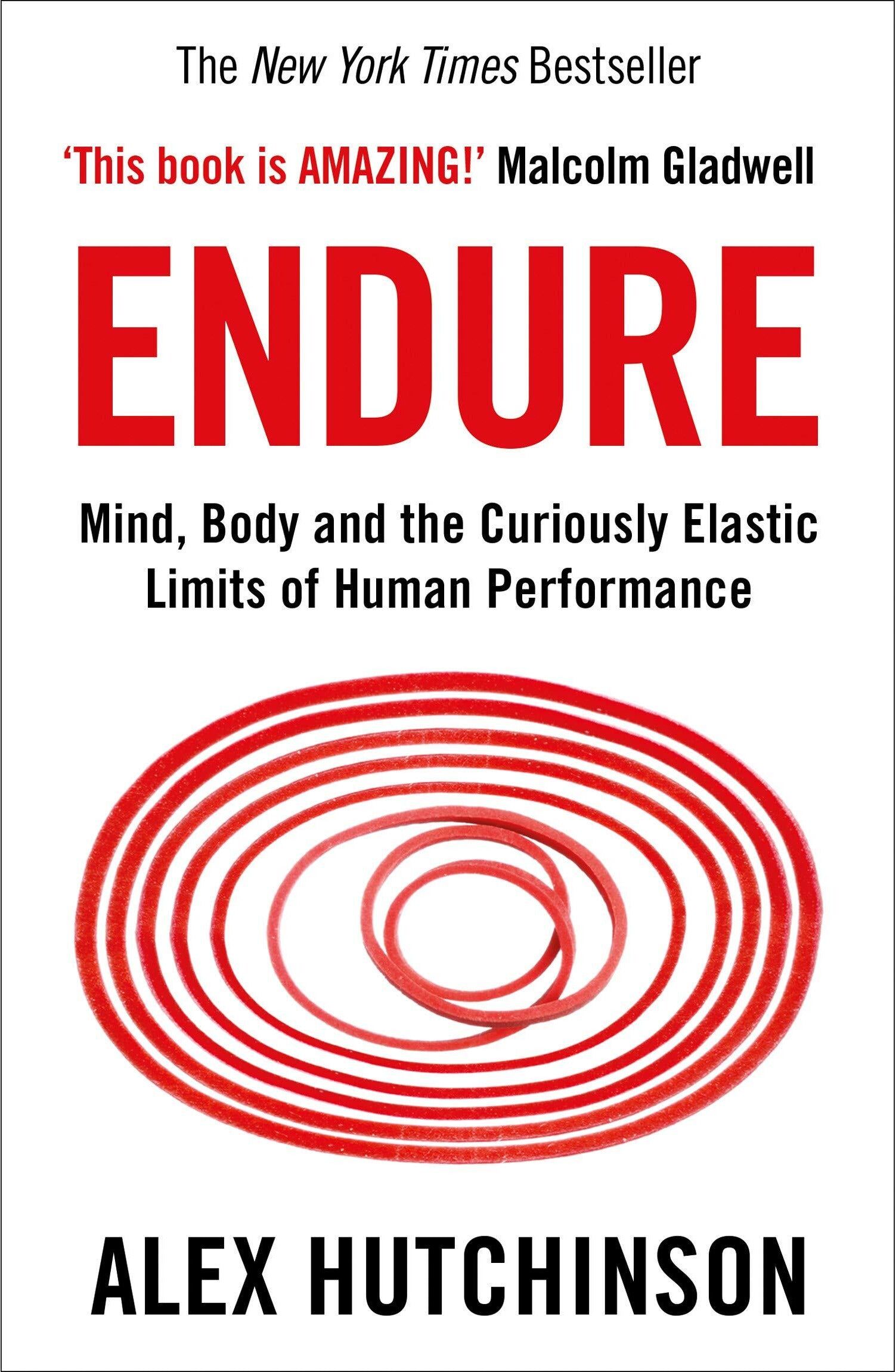
HARPERCOLLINS Endure & The Rise of Superman 2 Book Set – Performance, Endurance & Peak Human Potential CollectionEndure In Endure Alex Hutchinson, Ph.D., reveals why our individual limits may be determined as much by our head and heart, as by our muscles. He presents an overview of science’s search for understanding human fatigue, from crude experiments with electricity and frogs’ legs to sophisticated brain imaging technology. Going beyond the traditional mechanical view of human limits, he instead argues that a key element in endurance is how the brain responds to distress signals―whether heat, or cold, or muscles screaming with lactic acid―and reveals that we can train to improve brain response. The Rise of Superman Right now, more people are risking their lives for their sports then ever before in history. As Thomas Pynchon once put it in Gravity's Rainbow, 'it is not often that Death is told so clearly to f@%* off'.Over the past three decades, the bounds of the possible in action and adventure sports - from sky-diving to motocross to surfing and beyond - have been pushed farther and faster. A generation's worth of iconoclastic misfits have rewritten the rules of the feasible; not just raising the bar, but obliterating it altogether. Along the way, they have become a force pushing evolution relentlessly onward.9,99 £*Shipping: 2,99 £Secure redirect to the provider
-
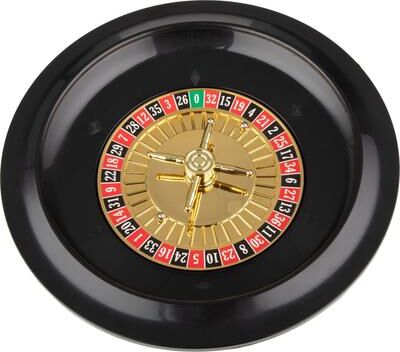
Quick Pick Pro LIGE Roulette Dial Men Watch Waterproof Luminous Leather Casino Watch goldTurn every glance at the time into a conversation starter with this bold roulette dial watch. Designed for men who appreciate distinctive style, this timepiece combines a casinoinspired rotating dial with classic leather craftsmanship. The...55,97 $*Shipping: 0,00 $Secure redirect to the provider

-
What is the probability of betting on a specific number twice in roulette and winning once?
The probability of betting on a specific number in roulette and winning is 1/38, as there are 38 numbers on the roulette wheel (1-36, 0, and 00). If you bet on the same number twice, the probability of winning at least once is 1 - (37/38)^2, which is approximately 0.0526 or 5.26%. This means that there is a 5.26% chance of winning at least once when betting on a specific number twice in roulette. **
-
What is the difference between potential and potential difference?
Potential refers to the amount of stored energy in an object due to its position or state, while potential difference is the difference in potential energy between two points in a system. In other words, potential is a scalar quantity that represents the energy at a single point, while potential difference is a vector quantity that represents the change in energy between two points. Potential is measured in joules, while potential difference is measured in volts. **
-
How is the resting potential and membrane potential created?
The resting potential is created by the unequal distribution of ions across the cell membrane. This is maintained by the sodium-potassium pump, which actively transports sodium ions out of the cell and potassium ions into the cell. The membrane potential is created by the separation of charges across the cell membrane, with the inside of the cell being more negatively charged compared to the outside. This is due to the presence of negatively charged proteins inside the cell and the movement of ions across the membrane. **
-
What is the resting potential and the membrane potential?
The resting potential is the electrical potential difference across the membrane of a neuron when it is not being stimulated. It is typically around -70 millivolts and is maintained by the unequal distribution of ions across the membrane. The membrane potential refers to the difference in electrical charge between the inside and outside of the cell membrane, which is essential for the transmission of signals in neurons. **

What is the difference between resting potential and membrane potential?
Resting potential refers to the membrane potential of a neuron when it is not being stimulated or sending signals. It is typically around -70 millivolts and represents the baseline electrical charge of the neuron. Membrane potential, on the other hand, refers to the difference in electrical charge between the inside and outside of a neuron's cell membrane at any given moment, including both resting and active states. In summary, resting potential is a specific type of membrane potential that represents the neuron's baseline electrical state when not actively transmitting signals. **
How is the resting potential and the membrane potential formed?
The resting potential is the electrical potential difference across the membrane of a neuron when it is not being stimulated. This potential is formed by the unequal distribution of ions across the membrane, with more sodium ions outside the cell and more potassium ions inside the cell. The membrane potential is formed by the movement of these ions through ion channels in the membrane, which are selectively permeable to specific ions. The resting potential is maintained by the sodium-potassium pump, which actively transports sodium out of the cell and potassium into the cell, helping to maintain the concentration gradients of these ions. **
Top-Angebote
Products related to Potential:
-
DK The Vegetable Grower's Handbook: Unearth Your Garden's Full Potential by Huw RichardsGet your gardening gloves on, as best-selling author Huw Richards takes you on a green-fingered journey to be an undefeated veg-grower!A recent study suggests 38% of British adults use their gardens to grow herbs and vegetables. But with the ever-growing pressure of balancing family life with a career, a lot of today's green-fingered gardeners simply lack time for vegetable growing.Huw is on a mission to change that!Whatever your horticultural hopes may be, Huw Richards brings you a veg-growing guide that is sure to shape the next generation of green-fingered gardeners like never before, full of top tips on smart gardening, without compromising on time, effort or money.With passion in every page, you can enjoy:-Tons of tips and tricks to maximise efficiency of your vegetable gardens-Skillful and solid information to disparage the common myth that gardening requires too much time and effort-Easy to follow step-by-step instructions of fundamental gardening techniques-Visual representations of Huw's innovative ideas to easily apply to your own vegetable gardenAfter the immeasurable success of his first two gardening books 'Veg in One Bed' and 'Grow Food for Free', Huw brings you a riveting third release, full of simple yet effective strategies to leave you with a patch to be proud of!By applying a strategic approach to your veggie patch, from choosing the right compost to using the correct cultivation tools, Huw assures that even the most hapless of gardeners can unearth the endless potential that all gardens possess, no matter the shape or size!Why not stand out from the crowd with this fully-illustrated veggie handbook, and start your intuitive gardening journey today to reap the benefits of a more bountiful harvest.An ideal gift for the green-fingered gardener or budding botanist in your life!With over 500,000 subscribers on YouTube, Huw Richards is keen to share his 17 years' experience on maximising productivity of vegetable patches, so get those gloves on, and join the journey today!Ready, set, let's grow!9,45 £*Shipping: 2,99 £Secure redirect to the provider
-
HARPERCOLLINS Creative Confidence by Tom & David Kelley – Unleashing Your Creative Potential & Innovation MindsetA powerful and inspiring book from the founders of IDEO, the award-winning design firm, on unleashing the creativity that lies within each and every one of us. Too often, companies and individuals assume that creativity and innovation are the domain of the ‘creative types’. But two of the foremost experts in innovation, design and creativity on the planet show us that each and every one of us is creative. In an entertaining and inspiring narrative that draws on countless stories from their work at IDEO, and with many of the world's top companies and design firms, David and Tom Kelley identify the principles and strategies that will allow us to tap into our creative potential in our work lives, and in our personal lives, allow us to think outside the box in terms of how we approach and solve problems. ‘Creative Confidence’ is a book that will help each of us be more productive and successful in our lives and in our careers.4,95 £*Shipping: 1,99 £Secure redirect to the provider
-
John Murray Im Worth More: Realize Your Value. Unleash Your Potential by Rob MooreIm Worth More: Realize Your Value. Unleash Your Potential by Rob Moore Anyone can look successful with the right watch on their wrist or car parked in the driveway - but what is real success and how much are you really worth? In this fascinating, liberating book bestselling author Rob Moore takes you back to basics and examines how to realize your real value - your self-esteem, your ambitions, your reputation and your income. No longer will you doubt yourself, make self-defeating comparisons or make assumptions about how others see you - instead you will maximize your opportunities and love yourself for who you really are. Rob will show you that no matter what you think you're worth, you're worth more.1,99 £*Shipping: 1,99 £Secure redirect to the provider
-
What is the difference between equilibrium potential, resting potential, and membrane potential?
Equilibrium potential is the membrane potential at which the net flow of a particular ion across the membrane is zero. Resting potential is the membrane potential of a cell when it is at rest, typically around -70 millivolts in neurons. Membrane potential refers to the difference in electrical charge between the inside and outside of a cell, which is maintained by the selective permeability of the cell membrane to different ions. In summary, equilibrium potential is the potential at which there is no net flow of ions, resting potential is the potential of a cell at rest, and membrane potential is the overall potential across the cell membrane. **
-
What is potential energy or gravitational potential energy?
Potential energy, specifically gravitational potential energy, is the energy an object possesses due to its position in a gravitational field. It is the energy that an object has because of its height above the ground. The higher an object is lifted, the greater its gravitational potential energy. This energy can be converted into kinetic energy when the object is allowed to fall or move downward. **
-
What is the probability of betting on a specific number twice in roulette and winning once?
The probability of betting on a specific number in roulette and winning is 1/38, as there are 38 numbers on the roulette wheel (1-36, 0, and 00). If you bet on the same number twice, the probability of winning at least once is 1 - (37/38)^2, which is approximately 0.0526 or 5.26%. This means that there is a 5.26% chance of winning at least once when betting on a specific number twice in roulette. **
-
What is the difference between potential and potential difference?
Potential refers to the amount of stored energy in an object due to its position or state, while potential difference is the difference in potential energy between two points in a system. In other words, potential is a scalar quantity that represents the energy at a single point, while potential difference is a vector quantity that represents the change in energy between two points. Potential is measured in joules, while potential difference is measured in volts. **
Similar search terms for Potential
-
HARPERCOLLINS Endure & The Rise of Superman 2 Book Set – Performance, Endurance & Peak Human Potential CollectionEndure In Endure Alex Hutchinson, Ph.D., reveals why our individual limits may be determined as much by our head and heart, as by our muscles. He presents an overview of science’s search for understanding human fatigue, from crude experiments with electricity and frogs’ legs to sophisticated brain imaging technology. Going beyond the traditional mechanical view of human limits, he instead argues that a key element in endurance is how the brain responds to distress signals―whether heat, or cold, or muscles screaming with lactic acid―and reveals that we can train to improve brain response. The Rise of Superman Right now, more people are risking their lives for their sports then ever before in history. As Thomas Pynchon once put it in Gravity's Rainbow, 'it is not often that Death is told so clearly to f@%* off'.Over the past three decades, the bounds of the possible in action and adventure sports - from sky-diving to motocross to surfing and beyond - have been pushed farther and faster. A generation's worth of iconoclastic misfits have rewritten the rules of the feasible; not just raising the bar, but obliterating it altogether. Along the way, they have become a force pushing evolution relentlessly onward.9,99 £*Shipping: 2,99 £Secure redirect to the provider
-
Quick Pick Pro LIGE Roulette Dial Men Watch Waterproof Luminous Leather Casino Watch goldTurn every glance at the time into a conversation starter with this bold roulette dial watch. Designed for men who appreciate distinctive style, this timepiece combines a casinoinspired rotating dial with classic leather craftsmanship. The...55,97 $*Shipping: 0,00 $Secure redirect to the provider
-
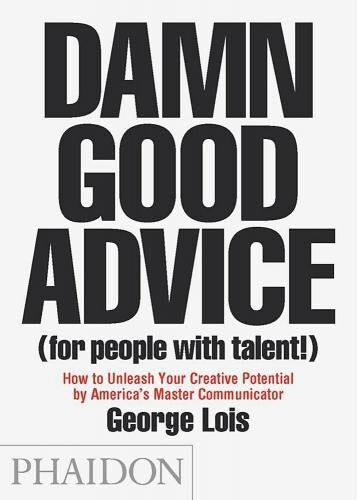
Phaidon Press Damn Good Advice For People With Talent How To Unleash Your Creative Potential By America Master C..Damn Good Advice (for people with talent!) is an indispensable insight into the mind of one of America's most legendary creative thinkers. Packed with lessons, practical advice, facts, anecdotes and inspiration, this book is a timeless creative bible for all those looking to succeed in life, business and creativity. Derived from the incomparable life of 'Master Communicator' George Lois, all entries are written and compiled by the man the Wall Street Journal called 'prodigy, enfant terrible, founder of agencies, creator of legends'. Each step is borne from a passion to succeed and a disdain for the status quo. Organised into inspirational, bite-sized pointers, each page offers fresh insight into the sources of success. From identifying your heroes to believing in yourself; the ideas, images and illustrations presented in this book are fresh, witty and in-your-face. Whether it be communicating your point in nanosecond, creating an explosive portfolio or making your presence felt, no one is better placed than George Lois to teach you the process of creativity. Poignant, punchy and to-the-point, Damn Good Advice (for people with talent!), is a must for anyone – whether in business, design, advertising or the visual arts – on a quest for success.8,99 £*Shipping: 2,99 £Secure redirect to the provider
-
Pan Macmillan Naomi Novik Fantasy Collection – 2 Books Set (Uprooted & Spinning Silver) Award-Winning Fantasy NovelsNaomi Novik 2 Books Collection Set (Uprooted & Spinning Silver): Uprooted: Agnieszka loves her village, set deep in a peaceful valley. But the nearby enchanted forest casts a shadow over her home. Many have been lost to the Wood and none return unchanged. The villagers depend on an ageless wizard, the Dragon, to protect them from the forest's dark magic. However, his help comes at a terrible price. One young village woman must serve him for ten years, leaving all they value behind.Agnieszka fears her dearest friend Kasia will be picked at the next choosing, for she's everything Agnieszka is not – beautiful, graceful and brave. Yet when the Dragon comes, it's not Kasia he takes. Spinning Silver: Miryem is the daughter and granddaughter of moneylenders, but her father’s too kind-hearted to collect his debts. They face poverty, until Miryem hardens her own heart and takes up his work in their village. Her success creates rumours she can turn silver into gold, which attract the fairy king of winter himself. He sets her an impossible challenge – and if she fails, she’ll die. Yet if she triumphs, it may mean a fate worse than death. And in her desperate efforts to succeed, Miryem unwittingly spins a web which draws in the unhappy daughter of a lord.Irina’s father schemes to wed her to the tsar – he will pay any price to achieve this goal. However, the dashing tsar is not what he seems. And the secret he hides threatens to consume the lands of mortals and winter alike.7,80 £*Shipping: 2,99 £Secure redirect to the provider
-
How is the resting potential and membrane potential created?
The resting potential is created by the unequal distribution of ions across the cell membrane. This is maintained by the sodium-potassium pump, which actively transports sodium ions out of the cell and potassium ions into the cell. The membrane potential is created by the separation of charges across the cell membrane, with the inside of the cell being more negatively charged compared to the outside. This is due to the presence of negatively charged proteins inside the cell and the movement of ions across the membrane. **
-
What is the resting potential and the membrane potential?
The resting potential is the electrical potential difference across the membrane of a neuron when it is not being stimulated. It is typically around -70 millivolts and is maintained by the unequal distribution of ions across the membrane. The membrane potential refers to the difference in electrical charge between the inside and outside of the cell membrane, which is essential for the transmission of signals in neurons. **
-
What is the difference between resting potential and membrane potential?
Resting potential refers to the membrane potential of a neuron when it is not being stimulated or sending signals. It is typically around -70 millivolts and represents the baseline electrical charge of the neuron. Membrane potential, on the other hand, refers to the difference in electrical charge between the inside and outside of a neuron's cell membrane at any given moment, including both resting and active states. In summary, resting potential is a specific type of membrane potential that represents the neuron's baseline electrical state when not actively transmitting signals. **
-
How is the resting potential and the membrane potential formed?
The resting potential is the electrical potential difference across the membrane of a neuron when it is not being stimulated. This potential is formed by the unequal distribution of ions across the membrane, with more sodium ions outside the cell and more potassium ions inside the cell. The membrane potential is formed by the movement of these ions through ion channels in the membrane, which are selectively permeable to specific ions. The resting potential is maintained by the sodium-potassium pump, which actively transports sodium out of the cell and potassium into the cell, helping to maintain the concentration gradients of these ions. **
* All prices are inclusive of VAT and, if applicable, plus shipping costs. The offer information is based on the details provided by the respective shop and is updated through automated processes. Real-time updates do not occur, so deviations can occur in individual cases. ** Note: Parts of this content were created by AI.