Buy laroulette.eu ?
We are moving the project
laroulette.eu .
Are you interested in purchasing the domain
laroulette.eu ?
domain@kv-gmbh.de · 0541-91531010
Buy laroulette.eu ?
What are the differences between covalent bonds, metallic bonds, and ionic bonds?
Covalent bonds are formed when two atoms share electrons, resulting in a strong bond between the atoms. Metallic bonds occur between metal atoms, where the electrons are delocalized and free to move throughout the structure, creating a strong bond. Ionic bonds are formed between a metal and a nonmetal, where one atom transfers electrons to the other, resulting in the formation of positively and negatively charged ions that are attracted to each other. Overall, covalent bonds involve electron sharing, metallic bonds involve electron delocalization, and ionic bonds involve electron transfer. **
Do CO bonds form with other CO bonds?
No, CO bonds do not typically form with other CO bonds. Carbon monoxide (CO) is a stable molecule with a triple bond between the carbon and oxygen atoms. This triple bond is strong and does not readily form additional bonds with other CO molecules. Instead, CO molecules tend to interact with other types of molecules through various types of chemical reactions. **


Similar search terms for Bonds
Top-Angebote
Products related to Bonds:
-
Quick Pick Pro LIGE Roulette Dial Men Watch Waterproof Luminous Leather Casino Watch goldTurn every glance at the time into a conversation starter with this bold roulette dial watch. Designed for men who appreciate distinctive style, this timepiece combines a casinoinspired rotating dial with classic leather craftsmanship. The...55,97 $*Shipping: 0,00 $Secure redirect to the provider
-
Pan Macmillan Naomi Novik Fantasy Collection – 2 Books Set (Uprooted & Spinning Silver) Award-Winning Fantasy NovelsNaomi Novik 2 Books Collection Set (Uprooted & Spinning Silver): Uprooted: Agnieszka loves her village, set deep in a peaceful valley. But the nearby enchanted forest casts a shadow over her home. Many have been lost to the Wood and none return unchanged. The villagers depend on an ageless wizard, the Dragon, to protect them from the forest's dark magic. However, his help comes at a terrible price. One young village woman must serve him for ten years, leaving all they value behind.Agnieszka fears her dearest friend Kasia will be picked at the next choosing, for she's everything Agnieszka is not – beautiful, graceful and brave. Yet when the Dragon comes, it's not Kasia he takes. Spinning Silver: Miryem is the daughter and granddaughter of moneylenders, but her father’s too kind-hearted to collect his debts. They face poverty, until Miryem hardens her own heart and takes up his work in their village. Her success creates rumours she can turn silver into gold, which attract the fairy king of winter himself. He sets her an impossible challenge – and if she fails, she’ll die. Yet if she triumphs, it may mean a fate worse than death. And in her desperate efforts to succeed, Miryem unwittingly spins a web which draws in the unhappy daughter of a lord.Irina’s father schemes to wed her to the tsar – he will pay any price to achieve this goal. However, the dashing tsar is not what he seems. And the secret he hides threatens to consume the lands of mortals and winter alike.7,80 £*Shipping: 2,99 £Secure redirect to the provider
-
Award-winning Complexion Trio - Skincare & Makeup Kit Charlotte Tilbury 7847 Charlotte's Award-winning Complexion Trio Size:Darlings, unlock a magical 30% OFF* this trio of beauty secrets including my AWARD-WINNING moisturiser for MAGIC skin, my HYDRATING, medium-buildable coverage foundation for a BEAUTIFUL complexion and my AIRbrush setting spray to lock in your look! ONLY available on CharlotteTilbury.com and the Charlotte Tilbury App with a magical 30% saving*, this kit includes: •62,30 £*Shipping: 0,00 £Secure redirect to the provider


-
Why are intermolecular bonds weaker than electron pair bonds?
Intermolecular bonds are weaker than electron pair bonds because they involve interactions between molecules rather than within a single molecule. In intermolecular bonds, the attractive forces between molecules are generally weaker than the covalent bonds that hold atoms together within a molecule. Additionally, intermolecular bonds are typically temporary and can be easily broken, whereas electron pair bonds are strong and stable. Overall, the weaker nature of intermolecular bonds allows molecules to move and interact with each other more freely. **
-
Why are intermolecular bonds generally weaker than covalent bonds?
Intermolecular bonds are generally weaker than covalent bonds because they involve interactions between molecules rather than within a single molecule. Covalent bonds involve the sharing of electrons between atoms, creating strong bonds within a molecule. In contrast, intermolecular bonds, such as hydrogen bonds or van der Waals forces, are weaker because they are based on temporary interactions between molecules, which can be easily broken. Additionally, intermolecular bonds are influenced by factors such as distance and orientation, further contributing to their weaker nature compared to covalent bonds. **
-
Why are intermolecular bonds typically weaker than covalent bonds?
Intermolecular bonds are typically weaker than covalent bonds because they involve interactions between molecules rather than within a single molecule. In intermolecular bonds, the attractive forces between molecules, such as van der Waals forces or hydrogen bonding, are weaker than the strong sharing of electrons in covalent bonds. Additionally, intermolecular bonds are more easily broken or disrupted by changes in temperature or pressure, leading to lower bond energies compared to covalent bonds. **
-
Why are intermolecular bonds typically weaker than electron pair bonds?
Intermolecular bonds are typically weaker than electron pair bonds because they involve interactions between molecules rather than within a single molecule. In intermolecular bonds, the attractive forces between molecules are generally weaker than the covalent bonds that hold atoms together within a molecule. Additionally, intermolecular bonds are usually based on weaker forces such as van der Waals forces, hydrogen bonding, or dipole-dipole interactions, which are not as strong as the sharing or transfer of electrons in covalent or ionic bonds. **

Why are intermolecular bonds generally weaker than electron pair bonds?
Intermolecular bonds are generally weaker than electron pair bonds because they involve interactions between molecules, which are larger and less localized than the interactions between atoms in a covalent bond. In intermolecular bonds, the attractive forces are typically weaker due to the larger distance between molecules and the lack of direct sharing of electrons. In contrast, electron pair bonds involve the sharing of electrons between atoms, leading to stronger and more localized bonding interactions. **
Why are polar bonds lower in energy than nonpolar bonds?
Polar bonds are lower in energy than nonpolar bonds because they involve the unequal sharing of electrons between two atoms with different electronegativities. This unequal sharing creates a dipole moment, which results in an attractive force between the partially positive and partially negative ends of the molecule. This electrostatic attraction lowers the overall energy of the molecule compared to nonpolar bonds, where electrons are shared equally. As a result, polar bonds are typically stronger and more stable than nonpolar bonds. **
Top-Angebote
Products related to Bonds:
-
Inspired Finds Eternal Bonds Personalized Acrylic Photo Frame & Custom Couple Plaque Gift warm LightCapture Your Timeless Connection. Turn your most meaningful moments into a lasting keepsake with this elegant personalized acrylic photo frame. Designed specifically for couples who value memories that matter, this sleek, transparent display piece...110,99 $*Shipping: 0,00 $Secure redirect to the provider
-
Quick Pick Pro LIGE Roulette Dial Men Watch Waterproof Luminous Leather Casino Watch goldTurn every glance at the time into a conversation starter with this bold roulette dial watch. Designed for men who appreciate distinctive style, this timepiece combines a casinoinspired rotating dial with classic leather craftsmanship. The...55,97 $*Shipping: 0,00 $Secure redirect to the provider
-
Pan Macmillan Naomi Novik Fantasy Collection – 2 Books Set (Uprooted & Spinning Silver) Award-Winning Fantasy NovelsNaomi Novik 2 Books Collection Set (Uprooted & Spinning Silver): Uprooted: Agnieszka loves her village, set deep in a peaceful valley. But the nearby enchanted forest casts a shadow over her home. Many have been lost to the Wood and none return unchanged. The villagers depend on an ageless wizard, the Dragon, to protect them from the forest's dark magic. However, his help comes at a terrible price. One young village woman must serve him for ten years, leaving all they value behind.Agnieszka fears her dearest friend Kasia will be picked at the next choosing, for she's everything Agnieszka is not – beautiful, graceful and brave. Yet when the Dragon comes, it's not Kasia he takes. Spinning Silver: Miryem is the daughter and granddaughter of moneylenders, but her father’s too kind-hearted to collect his debts. They face poverty, until Miryem hardens her own heart and takes up his work in their village. Her success creates rumours she can turn silver into gold, which attract the fairy king of winter himself. He sets her an impossible challenge – and if she fails, she’ll die. Yet if she triumphs, it may mean a fate worse than death. And in her desperate efforts to succeed, Miryem unwittingly spins a web which draws in the unhappy daughter of a lord.Irina’s father schemes to wed her to the tsar – he will pay any price to achieve this goal. However, the dashing tsar is not what he seems. And the secret he hides threatens to consume the lands of mortals and winter alike.7,80 £*Shipping: 2,99 £Secure redirect to the provider
-
What are the differences between covalent bonds, metallic bonds, and ionic bonds?
Covalent bonds are formed when two atoms share electrons, resulting in a strong bond between the atoms. Metallic bonds occur between metal atoms, where the electrons are delocalized and free to move throughout the structure, creating a strong bond. Ionic bonds are formed between a metal and a nonmetal, where one atom transfers electrons to the other, resulting in the formation of positively and negatively charged ions that are attracted to each other. Overall, covalent bonds involve electron sharing, metallic bonds involve electron delocalization, and ionic bonds involve electron transfer. **
-
Do CO bonds form with other CO bonds?
No, CO bonds do not typically form with other CO bonds. Carbon monoxide (CO) is a stable molecule with a triple bond between the carbon and oxygen atoms. This triple bond is strong and does not readily form additional bonds with other CO molecules. Instead, CO molecules tend to interact with other types of molecules through various types of chemical reactions. **
-
Why are intermolecular bonds weaker than electron pair bonds?
Intermolecular bonds are weaker than electron pair bonds because they involve interactions between molecules rather than within a single molecule. In intermolecular bonds, the attractive forces between molecules are generally weaker than the covalent bonds that hold atoms together within a molecule. Additionally, intermolecular bonds are typically temporary and can be easily broken, whereas electron pair bonds are strong and stable. Overall, the weaker nature of intermolecular bonds allows molecules to move and interact with each other more freely. **
-
Why are intermolecular bonds generally weaker than covalent bonds?
Intermolecular bonds are generally weaker than covalent bonds because they involve interactions between molecules rather than within a single molecule. Covalent bonds involve the sharing of electrons between atoms, creating strong bonds within a molecule. In contrast, intermolecular bonds, such as hydrogen bonds or van der Waals forces, are weaker because they are based on temporary interactions between molecules, which can be easily broken. Additionally, intermolecular bonds are influenced by factors such as distance and orientation, further contributing to their weaker nature compared to covalent bonds. **
Similar search terms for Bonds
-
Award-winning Complexion Trio - Skincare & Makeup Kit Charlotte Tilbury 7847 Charlotte's Award-winning Complexion Trio Size:Darlings, unlock a magical 30% OFF* this trio of beauty secrets including my AWARD-WINNING moisturiser for MAGIC skin, my HYDRATING, medium-buildable coverage foundation for a BEAUTIFUL complexion and my AIRbrush setting spray to lock in your look! ONLY available on CharlotteTilbury.com and the Charlotte Tilbury App with a magical 30% saving*, this kit includes: •62,30 £*Shipping: 0,00 £Secure redirect to the provider
-
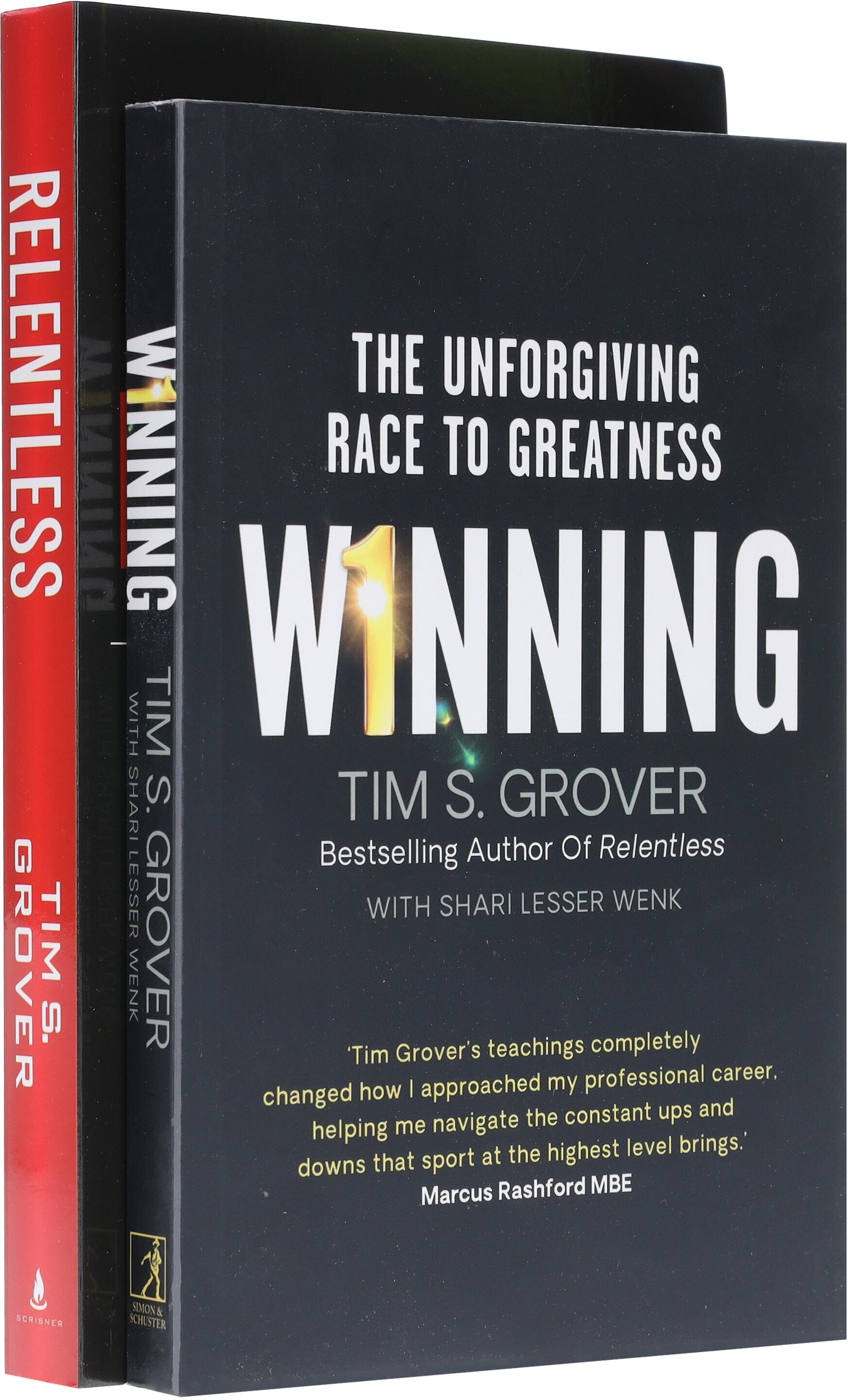
Winning Series By Tim Grover (Relentless & Winning) 2 Books Collection Set - Non Fiction - Paperback Simon & SchusterTitles in this set: 1. Relentless 2. Winning Description: Relentless For more than two decades, legendary trainer Tim Grover has taken the greats—Michael Jordan, Kobe Bryant, Dwyane Wade, and hundreds of relentless competitors in sports, business, and every walk of life—and made them greater. Now, for the first time ever, he reveals what it takes to achieve total mental and physical dominance, showing you how to be relentless and achieve whatever you desire. Direct, blunt, and brutally honest,Grover breaks down what it takes to be unstoppable: you keep going when everyone else is giving up, you thrive under pressure, you never let your emotions make you weak. In “The Relentless 13,” he details the essential traits shared by the most intense competitors and achievers in sports, business, and all walks of life. Relentless shows you how to trust your instincts and get in the Zone; how to control and adapt to any situation; how to find your opponent’s weakness and attack. Grover gives you the same advice he gives his world-class clients—“don’t think”—and shows you that anything is possible. Packed with previously untold stories and unparalleled insight into the psyches of the most successful and accomplished athletes of our time, Relentless shows you how even the best get better . . . and how you can too. Winning From the elite performance coach for Michael Jordan, Kobe Bryant, Dwyane Wade and many others - and the author of the powerful bestseller Relentless - a no-holds-barred formula for winning that is ideal for business people, athletes and anybody wanting to achieve success. In Relentless, Tim Grover showed that you need to be tough and ruthless - towards others and yourself - to achieve your goals. Now, in Winning he takes that skill repertoire to an even higher level, demonstrating why he is one of the world’s most sought-after mindset experts. Based on three decades of work with elite competitors like Michael Jordan, Kobe Bryant and Dwyane Wade, Winning challenges you to destroy every obstacle in your path, even if, at the moment of greatest triumph, it may be all taken away. Whether you’re an athlete striving to win, an entrepreneur building a business, a CEO managing an empire, a salesperson looking to close a deal, or a high achiever determined to stand in the winner’s circle, Winning offers thirteen key principles for ramping up your performance to the maximum. If you’re addicted to the taste of success and crave more, then you’re ready for the results-driven performance formula found here. And if you’re already winning and want to learn how to execute excellence repeatedly - so you can own not just this moment, but the next, and the next - then Winning is for you.12,99 £*Shipping: 2,99 £Secure redirect to the provider
-
Inspired Finds Eternal Bonds Personalized Acrylic Photo Frame & Custom Couple Plaque Gift 7 Colors LightCapture Your Timeless Connection. Turn your most meaningful moments into a lasting keepsake with this elegant personalized acrylic photo frame. Designed specifically for couples who value memories that matter, this sleek, transparent display piece...116,99 $*Shipping: 0,00 $Secure redirect to the provider
-
Why are intermolecular bonds typically weaker than covalent bonds?
Intermolecular bonds are typically weaker than covalent bonds because they involve interactions between molecules rather than within a single molecule. In intermolecular bonds, the attractive forces between molecules, such as van der Waals forces or hydrogen bonding, are weaker than the strong sharing of electrons in covalent bonds. Additionally, intermolecular bonds are more easily broken or disrupted by changes in temperature or pressure, leading to lower bond energies compared to covalent bonds. **
-
Why are intermolecular bonds typically weaker than electron pair bonds?
Intermolecular bonds are typically weaker than electron pair bonds because they involve interactions between molecules rather than within a single molecule. In intermolecular bonds, the attractive forces between molecules are generally weaker than the covalent bonds that hold atoms together within a molecule. Additionally, intermolecular bonds are usually based on weaker forces such as van der Waals forces, hydrogen bonding, or dipole-dipole interactions, which are not as strong as the sharing or transfer of electrons in covalent or ionic bonds. **
-
Why are intermolecular bonds generally weaker than electron pair bonds?
Intermolecular bonds are generally weaker than electron pair bonds because they involve interactions between molecules, which are larger and less localized than the interactions between atoms in a covalent bond. In intermolecular bonds, the attractive forces are typically weaker due to the larger distance between molecules and the lack of direct sharing of electrons. In contrast, electron pair bonds involve the sharing of electrons between atoms, leading to stronger and more localized bonding interactions. **
-
Why are polar bonds lower in energy than nonpolar bonds?
Polar bonds are lower in energy than nonpolar bonds because they involve the unequal sharing of electrons between two atoms with different electronegativities. This unequal sharing creates a dipole moment, which results in an attractive force between the partially positive and partially negative ends of the molecule. This electrostatic attraction lowers the overall energy of the molecule compared to nonpolar bonds, where electrons are shared equally. As a result, polar bonds are typically stronger and more stable than nonpolar bonds. **
* All prices are inclusive of VAT and, if applicable, plus shipping costs. The offer information is based on the details provided by the respective shop and is updated through automated processes. Real-time updates do not occur, so deviations can occur in individual cases. ** Note: Parts of this content were created by AI.